

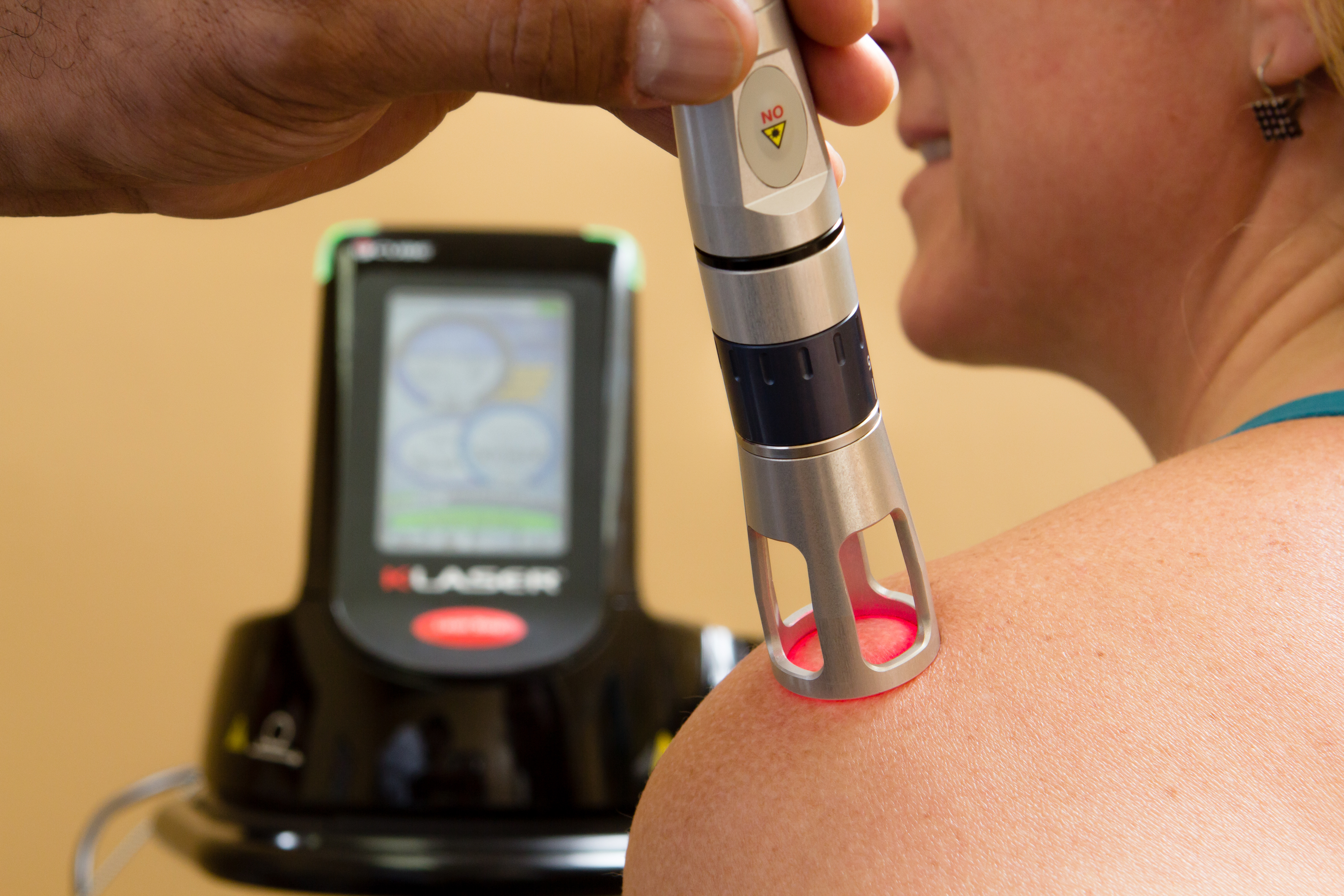
Class 4 laser treatment units have gained noteworthy interest in recent years for their innovative approach to pain management and healing. These high-powered lasers are at the forefront of therapeutic applications, offering practitioners and patients alike a non-invasive alternative for a variety of issues. As more medical professionals integrate these devices into their practice, comprehending the key features and advantages of Class IV laser therapy units becomes vital for making informed choices.
In this article, we will explore the main elements that determine an effective Class IV laser therapy unit, from output power and light wavelength selection to portability options and safety features. Whether you are a healthcare professional aiming to improve treatment protocols or a client seeking assistance from discomfort, this comprehensive resource will help you navigate the numerous options available, guaranteeing you identify the appropriate device for your unique preferences and conditions.
Key Features and Power Output
When considering a Class 4 laser therapy device, it is essential grasp the key features that contribute to its effectiveness and usability. A crucial aspect to consider is the device's power output, typically measured in watts. Class 4 lasers generally operate with power levels greater than 0.5 watts, enabling deep tissue penetration and the ability to treat various conditions effectively. Increased power output can lead to shortened treatment times and improved patient outcomes, making it a crucial factor in device selection.
Additionally, a important feature is the adjustability of power settings. This enables clinicians to customize the energy delivered based on the patient's specific needs and the type of tissue that is treated. Adjustable settings can enhance patient comfort and provide optimal therapeutic effects. Additionally, devices should offer a range of wavelengths, as various wavelengths penetrate tissues to varying depths, making it crucial for targeting specific conditions. Selecting the appropriate wavelength is, therefore, a vital consideration for maximizing treatment efficacy.
Portability is also a significant feature that varies among Class 4 laser devices. While stationary models may be more powerful and advanced, portable options offer convenience and flexibility for clinicians who need to move between treatment rooms or provide mobile therapy. The decision between portability and stationary configurations mostly depends on the clinical setting and the volume of patients treated. portable Class 4 lasers to evaluate these features in conjunction with power output to find the best balance that fulfills therapeutic goals.
#### Choosing the Suitable Wavelengths as well as Method
Opting for an correct wavelength range remains essential for the efficacy in Class 4 laser therapy . Numerous wavelengths infiltrate tissues at varying depths , influencing treatment results across certain ailments. For illustration, ranges around 800 and 980 nanometers are commonly used in targeting more profound tissues like such as muscles as well as joints , but shorter wavelengths are better suited in addressing surface issues . Understanding the specific purpose along with the category of tissue being treated will guide users with choosing the optimal range of wavelengths for the best outcomes .
In addition to wavelength , the mode of operation —either pulsed mode and continuous mode—plays a significant role in the efficacy of the therapy. Continuous mode provides constant delivery of energy , which can lead to rapid pain alleviation and the reduction of inflammation. On the other hand, pulsed modes enable deeper absorption by tissues while less surface heating , which benefits in case of major injuries or chronic conditions . Choosing of these operational modes should align with the patient's needs as well as the treatment objectives, ensuring a tailored approach to therapy .
In conclusion the pairing of suitable wavelength along with mode can enhance the efficacy of the treatment along with comfort . Healthcare providers need to assess their patients' conditions , the expected therapeutic outcomes , and the features of their laser therapy equipment. In doing this , they can create a comprehensive plan to maximize recovery, boosts patient contentment, along with fosters a quicker recovery process .
### Safety, Compliance, and Assistance
When purchasing a Class 4 laser therapy machine, safety and adherence are critical. These machines need FDA certification, ensuring they meet stringent standards for safety and efficacy. Seek devices that include automatic shut-off features, eye safety measures, and alert systems to prevent misuse and hazards. Opting for a compliant device allows users to feel secure, as it meets essential regulations, lowering the potential for injury.
Assistance from the manufacturer is vital for enduring success with Class 4 laser devices. Seek out companies that provide thorough training and certification for users, confirming they comprehend the proper functionalities and safety measures. Moreover, dependable customer support is essential. Manufacturers who provide ongoing assistance, troubleshooting, and resources can enhance user confidence and promote better treatment outcomes.
Finally, warranty and maintenance provisions are important factors to consider. go to this site indicates a manufacturer’s dedication to the quality of their product and improves customer happiness. In addition, devices with maintenance plans can guarantee durability and optimal performance, crucial for professionals depending on these instruments for successful therapy.